ILLEGAL FISHING PREDICTION SYSTEM
Predicting illegal fishing before it happens.
IFPS is an innovative system that combines artificial intelligence, satellite data and environmental science to help protect our oceans and support sustainable fisheries worldwide.
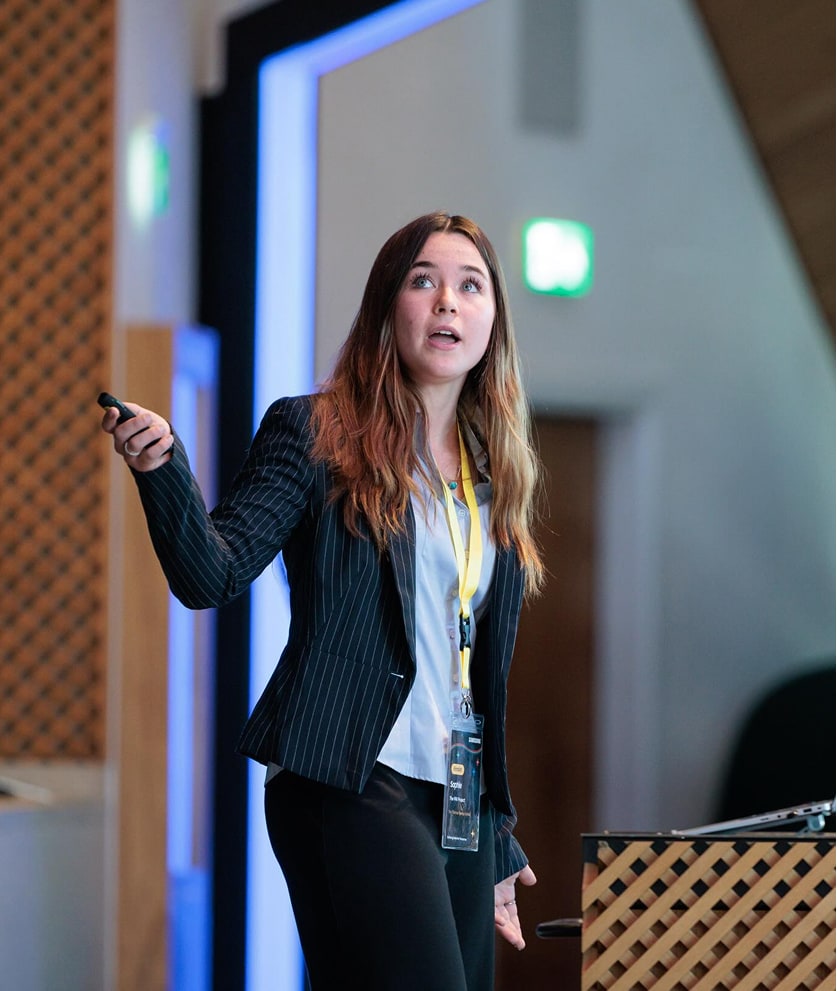
Sophie Cradock
ENVIRONMENTAL INNOVATOR
ABOUT SOPHIE
Curiosity sparked the idea.
Curiosity has always driven my interest in the natural world. As a child, I was constantly asking questions.
“Why do snails have shells?”
“How do waves form?”
“How many stars are in the sky?”
Today, those same questions have evolved into a passion for understanding how Earth’s interconnected systems work and how technology can help protect them.
Studying Environmental Science, Geography and Product Design has allowed me to combine scientific thinking with creativity to develop real-world environmental solutions. My goal is simple:
“Use innovation to create positive change for our planet.”
My Story.
From curiosity to conservation.
My journey began through school STEM clubs, where I discovered that science and creativity could work together to solve environmental challenges.
My first major project was the UCL Ocean Health Challenge, where my team designed Recycle Radar, an app rewarding people with local business vouchers for recycling.
Although the idea didn’t win, it gave me the confidence to continue developing environmental technologies.

Soon afterwards, an AI competition challenged me to think bigger.
After researching global environmental issues, one problem stood out.
Illegal fishing.
Learning that around 20% of all fishing worldwide is illegal, costing the global economy approximately $36.4 billion every year, I realised existing monitoring methods often react after the damage has already been done.
That inspired me to ask:
Could AI predict illegal fishing before it happens?
That question became IFPS.
ABOUT IFPS
Illegal Fishing Prediction System

The Illegal Fishing Prediction System (IFPS) uses machine learning and publicly available satellite information to predict where illegal fishing activity is most likely to occur before it happens. Rather than replacing existing monitoring methods, IFPS helps organisations deploy resources more efficiently by highlighting high-risk locations.
The system analyses patterns such as:
Historical fishing activity
Vessel movement
Speed
Distance from shore
Fishing behaviour
Satellite observations
Using a Random Forest Regressor trained on over 1,000 fishing vessels, the model identifies behavioural patterns that indicate illegal fishing risk.
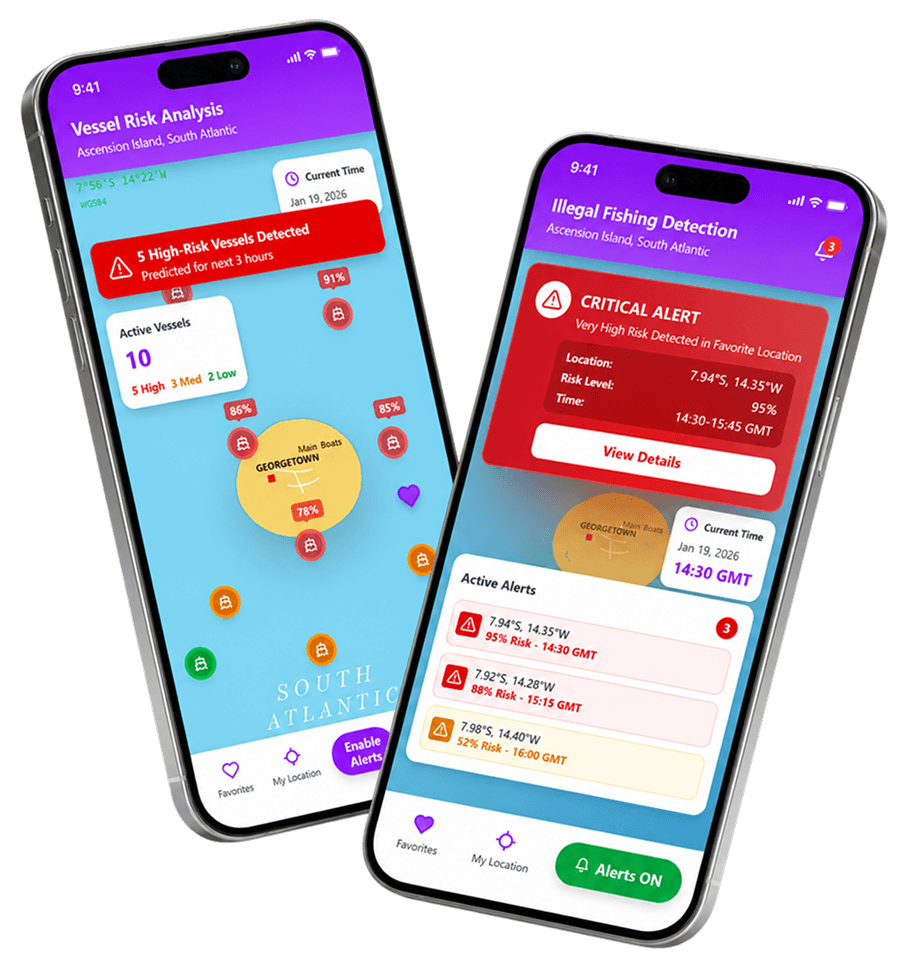
The long-term vision is to make this technology accessible through a simple web platform and mobile application for governments, NGOs and marine conservation organisations worldwide.
Why Illegal Fishing Matters
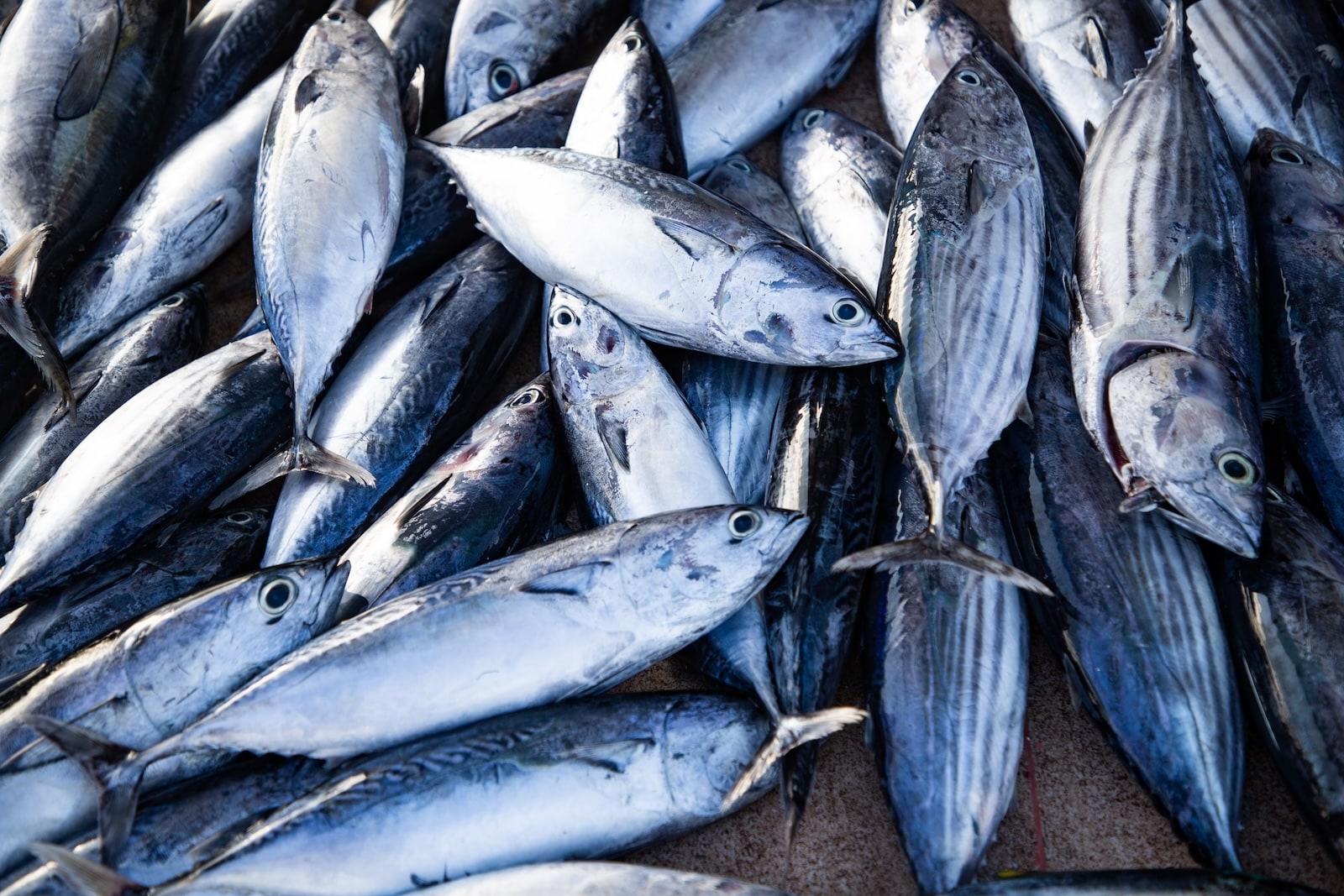
Illegal, Unreported and Unregulated (IUU) fishing affects every ocean.
It threatens marine biodiversity, damages ecosystems, undermines coastal communities and removes billions of pounds from the global economy every year.
Many lower-income coastal nations cannot afford continuous patrol vessels, making prevention incredibly difficult.
IFPS aims to provide a low-cost decision-support tool that allows organisations to act earlier and more efficiently.
The Journey
Timeline
Curious child fascinated by nature
Joined STEM Club
Created Recycle Radar for the UCL Ocean Health Challenge
Began researching Al for environmental conservation
Discovered the global scale of illegal fishing
Developed first IFPS prototype
Interviewed fishermen and conservation organisations
Presented in Berlin
2nd Place – European Al in STEM Challenge
Winner – Big Bang Competition (Technologist of the Year 2025)
BBC Radio Solent interview
Featured in Dorset Echo
Presented at Project Earth
Continuing development of IFPS
Building partnerships to protect our oceans

Experience
Real-world environmental experience
My passion for protecting the environment extends beyond technology.
Over the past few years I’ve worked alongside scientists, conservationists and local communities across multiple conservation projects.
Zanzibar
Spent two weeks volunteering in Zanzibar mapping seagrass farms with local communities and assisting marine biologists tracking sea turtles and their nests.
Brownsea Island
Worked with the National Trust and Dorset Wildlife Trust managing habitats and protecting one of Britain’s most important island ecosystems.
Knighton Countryside Management
I have worked within wildlife mitigation, learning how to construct hibernacula and create suitable habitats for wildlife, as well as managing vegetation and carrying out practical habitat management.
Awards & Media
🏆 Technologist of the Year – The Big Bang Competition 2025
🥈 2nd Place — European AI in STEM Challenge (Science on Stage, Berlin)
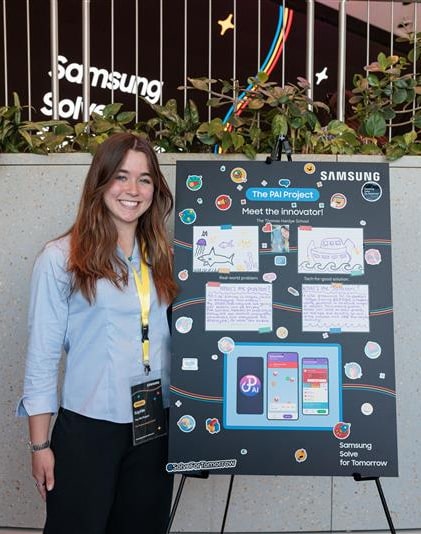
⭐ People’s Choice Award — Samsung Solve for Tomorrow UK
⭐ Finalist — TeenTech Awards
⭐ Honourable Mention — Global Trust of Sustainability Awards
🎤 Speaker — Project Earth
📻 BBC Radio Solent
📰 Dorset Echo Feature
🏛️ Presented ideas to the House of Lords Environmental and Climate Change Select Committee
FUTURE VISION
Looking ahead.
The long-term vision is to build an accessible platform that helps governments, conservation organisations and researchers make faster, data-driven decisions to protect marine ecosystems.
Future developments include:
Real-time prediction mapping
Satellite integrations
Mobile application
NGO dashboard
Government monitoring portal
Marine protected area monitoring
Climate and biodiversity analytics
Educational outreach for young innovators
Ultimately, I hope to show that technology can become one of our most powerful tools for protecting nature.
Beyond the Project
Outside of technology, I enjoy spending time outdoors exploring the landscapes that first inspired my passion for the environment.
Whether climbing, football, running, hiking, camping or simply being by the coast, these experiences continually remind me why protecting our natural world matters.
I also mentor younger students through STEM clubs, hoping to inspire the next generation of scientists, engineers and environmental innovators.
Contact
I’d love to hear from organisations, researchers, educators, investors and anyone passionate about marine conservation.
Whether you’re interested in collaborating, supporting IFPS or simply learning more about the project, please get in touch.
All design and content © Sophie Cradcok and Illegal Fishing Prediction System unless otherwise stated.